Request furnace repair for a property in St. Thomas. Include the equipment, the problem or planned work, and your location so the request can be reviewed.
What furnace symptoms and operating changes should I note before requesting a repair?
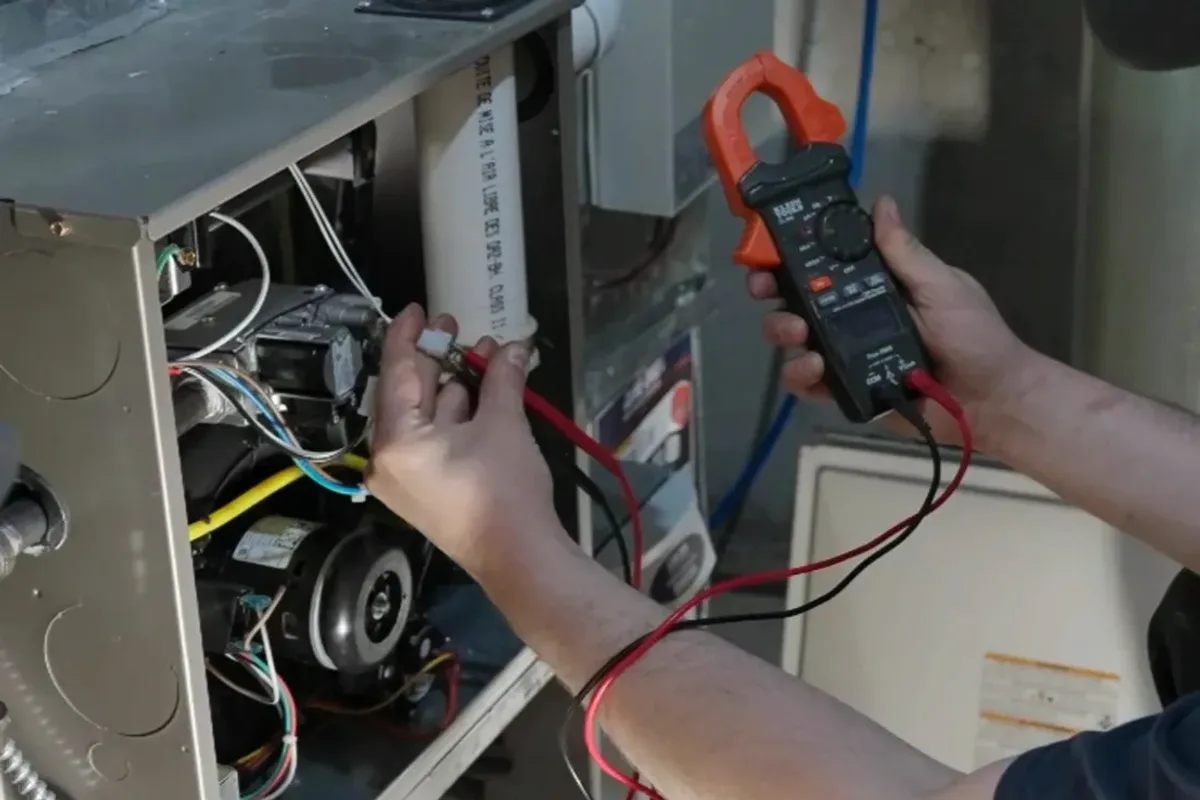
When a furnace will not start, produces unusual noise, or heats rooms unevenly, diagnosis should begin with the symptom and the equipment type. Ignition faults involving an igniter, flame sensor, or pressure switch differ from blower, airflow, thermostat, or control problems, and the distinction affects the repair. Gas and propane models, including single-stage, two-stage, modulating, and high-efficiency furnaces, can have different controls and venting. An inspection can help establish whether a targeted repair or a replacement assessment is appropriate.
Useful details include whether the furnace starts, whether it shuts down before reaching the thermostat setting, any unusual sounds, and whether airflow changed. The model and fuel type help identify relevant ignition and control arrangements. A qualified inspection can distinguish a component fault from restricted airflow or a larger condition, such as heat-exchanger damage, before repair and replacement options are compared.
Igniters, flame sensors, pressure switches, and blower motors
Gas and propane furnaces with single-stage, two-stage, modulating, and high-efficiency controls
Airflow, maintenance findings, heat-exchanger condition, and repair-versus-replacement decisions
Assessment and Scope
Questions for the Proposed Work
01
Separate ignition faults from airflow problems
A furnace that does not ignite may involve the igniter, flame sensor, pressure switch, or another safety-related control; these parts should be inspected by a qualified professional. Weak airflow or a humming blower points toward a different diagnostic path, including the motor and airflow restrictions. Recording when the symptom occurs and whether the blower starts helps separate these faults. Do not open the furnace or attempt fuel, electrical, or safety-control repairs.
02
Use maintenance findings to guide repair
Maintenance findings should reflect the furnace’s condition and manufacturer instructions, rather than a fixed promise of service life. Inspection of airflow, the filter, burner operation, thermostat response, and accessible components can reveal a correctable issue or document wear that matters to future planning. A high-efficiency model may also require attention to its specific venting and controls. Maintenance is not a substitute for diagnosing an active fault or repairing a damaged component.
03
Compare repair with replacement on evidence
A repair decision depends on the diagnosed fault, the furnace’s condition, its parts, and its service history, not age alone. A repairable blower or ignition component is a different case from significant heat-exchanger damage or repeated failures. Replacement planning should also account for fuel, venting, staging, and compatibility with the existing thermostat and distribution system. Comparing a documented repair scope with a properly assessed replacement helps clarify the trade-off.
Compare the next step
Show the service route and any enclosure around the appliance before a repair visit. Ask what access must remain for routine filter care and professional assessment, and whether planned storage or cabinetry conflicts with it. The finished arrangement should support future inspection instead of addressing only the current repair.
Leave burner, fuel, venting, electrical, and internal equipment work to a qualified contractor. Do not bypass a safety switch or repeatedly reset a furnace.